Does the Demo Tell You Everything You Need to Know?
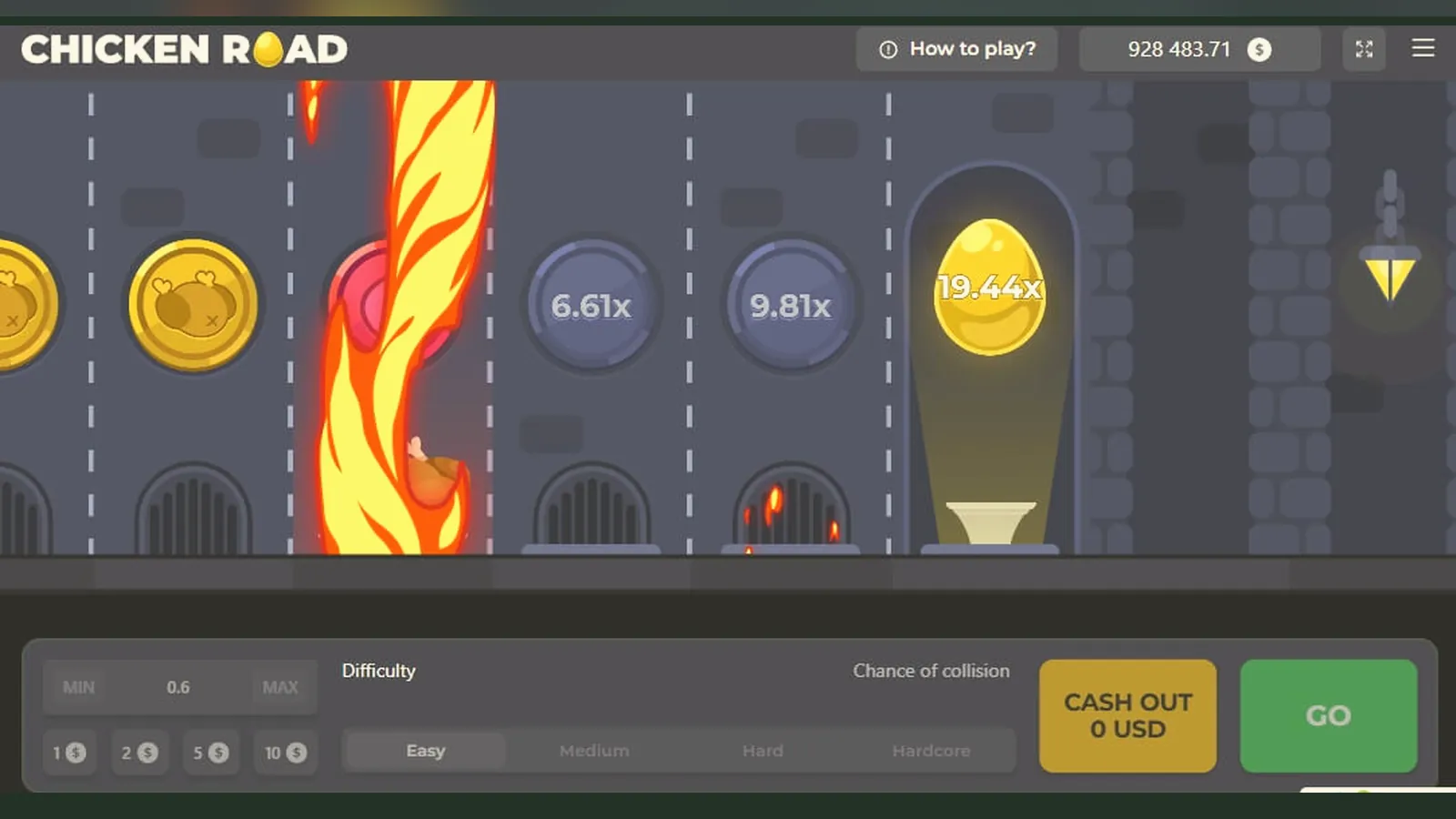
Search for «Chicken Road 2 demo» and you'll find promises of instant free play, no strings attached. The reality in the United Kingdom is more nuanced. Every UKGC-licensed site must verify your age before you can spin anything, including demos. Some operators gate demo mode behind a registered account, others show it to logged-in users only after identity checks clear. The demo itself is faithful to the live game — same grid, same multipliers, same RTP — but the frame around it hides the parts that matter when real money enters the picture.
This page walks through what the demo actually shows, where it runs, what numbers translate to real stakes, and which mechanics only appear once you deposit. We'll also cover the lowest-risk path from free spins to real money, using examples from UK operators and the rules that shape this market.
Where the Demo Lives and Why You Need an Account
Chicken Road 2 demo play appears on UKGC-licensed casino sites, not as a standalone app or download. Google Play and the App Store allow real-money gambling apps from licensed operators, but crash-style games usually run in the browser or as progressive web apps. The demo sits on the same server as the live game, served through the operator's platform.
Most UK sites require you to register and verify your age before the demo unlocks. Age and identity checks happen at the account-creation stage — proof of date of birth through credit-reference data or documents. This is a UKGC requirement, not an operator choice. A handful of sites show limited demo play to anonymous visitors, but that window closes quickly; you'll hit a login wall after a few spins. The operator needs to know you're 18 or older before you interact with gambling content, demo or otherwise.
Once you're logged in and age-verified, the demo button appears next to the real-money option on the game page. Click it and the interface loads with a virtual balance — typically £1,000 in play money. This balance resets when you refresh the page or return later, so there's no persistence across sessions.
What You See in a Demo Session
The demo mirrors the live game in almost every detail. You set a stake using the same controls, watch the chicken navigate the grid, and collect multipliers as it moves. The RTP and volatility are identical to the real-money version — no inflated hit rates or artificial lucky streaks. The random-number generator that decides grid outcomes in the demo is the same certified RNG that runs during live play.
Your virtual balance starts at £1,000 and drains or grows as you play. The bet slider or input field lets you choose stakes that mirror the real range, though the demo won't enforce the £5.00 cap that applies to actual money. You can set a £10.00 demo stake and spin without friction; that same stake would be blocked or split on a real account under UKGC rules. Players aged 18 to 24 face a £2.00 cap per spin in live play, but the demo doesn't check your birthdate against that threshold.
- Same grid layout, multiplier ladder, and chicken movement as the live game
- RTP and volatility unchanged — no demo bias toward wins
- Bet controls that let you test the full range, including stakes above the legal cap
- Balance resets on refresh; no carryover between sessions
The pace matches real play. If you set a £1.00 stake, rounds resolve at the same speed they would with real money. There's no demo acceleration or instant outcomes. This consistency helps you gauge how long a session lasts at a given bet level, though it doesn't account for the emotional weight of actual risk.
The Numbers That Carry Over and the Ones That Don't
The mathematical core of the demo translates directly to real money. The RTP percentage you see advertised — usually between 96% and 97% for crash games in this class — applies to both modes. Volatility is the same, meaning the frequency and size of wins follow the same distribution. If the demo feels streaky, the live game will feel streaky. If you hit a long losing run in demo mode, expect similar variance when you deposit.
The bet-to-balance ratio you test in the demo also transfers. If you run 100 spins at £1.00 each and burn through £80 of your demo balance, you can project similar depletion on a £100 deposit at the same stake. The caveat: demo play removes the psychological friction of losing real money, so your staking discipline often weakens when the balance is imaginary.
| Metric | Demo | Real Money |
|---|---|---|
| RTP | Same | Same |
| Volatility | Same | Same |
| Bet Range | £0.10–£100+ | £0.10–£5.00 (or £2.00 if 18–24) |
| Session Length | Same pace | Same pace, real bankroll limit |
| Withdrawal | Not available | 1–3 days after KYC |
The stake cap is the obvious break. The demo lets you set a £20.00 bet and spin without complaint; the live game clamps you at £5.00 the moment you switch to real funds. If you're aged 18 to 24, the cap drops to £2.00. This isn't an operator preference — it's a UKGC rule that applies to every licensed site serving British players. Test your strategy in the demo within the real cap to avoid surprises.
What the Demo Hides
The demo skips the entire withdrawal flow. You accumulate virtual winnings, but there's no cashier button, no KYC upload screen, no bank-account form. In real play, your first withdrawal triggers a document check — proof of identity, proof of address, sometimes a source-of-funds declaration if your deposits cross a threshold. This process takes 24 to 48 hours on most UKGC sites. Faster Payments to your bank clear in a few hours to two working days once KYC is done, but that first wait is unavoidable.
Bonus wagering doesn't appear in demo mode. If you claim a welcome offer — say, 50 free spins with a 40× wagering requirement — the demo won't simulate the playthrough. You spin with a virtual balance that has no strings attached, no minimum turnover, no game-contribution weighting. Real bonus spins on Chicken Road 2 might count 100% toward wagering, or they might be excluded entirely; you won't know until you read the terms. The demo gives you an unrestricted sandbox.
- No withdrawal button or cashier access
- No KYC upload flow or waiting period
- Bonus wagering rules and contribution percentages invisible
- Deposit limits and affordability checks not enforced
- GAMSTOP self-exclusion doesn't block demo access if you're logged in before registering
Affordability checks start from £150 net deposits per month on UKGC sites, using credit-reference data at the first stage. The demo doesn't show this gate because there's no deposit. You'll only encounter it when you fund your account, and by then the friction might feel like an obstacle you didn't anticipate. The demo also doesn't enforce deposit limits — you can reload your virtual balance infinitely, while a real account might cap you at £100 a week if you set that boundary.
Demo on a Phone: Same Game, Different Frame
Chicken Road 2 demo runs in mobile browsers without an app install. Open the operator's site in Safari or Chrome on your phone, log in, navigate to the game page, and tap the demo button. The grid, controls, and multiplier ladder scale to the smaller screen; portrait orientation stacks the bet controls below the grid, landscape stretches them to the sides.
There's no dedicated APK or iOS app for Chicken Road 2 alone. Some UKGC-licensed operators offer branded apps on Google Play and the App Store, and those apps include the full game catalogue, demos included. If you download the operator's app, the demo experience is identical to the browser version — same virtual balance, same bet range, same reset on refresh.
Mobile demo sessions drain battery faster than static browsing because the game engine animates the chicken movement and grid updates in real time. Data usage is light — a few megabytes per hour — since the server handles the RNG and outcomes; your phone just renders the visuals. Connection drops mid-spin are rare, but if they happen, the demo round completes on the server and the result appears when you reconnect. Real-money rounds have the same protection, logged to your account history.
Switching to Real Money: The Lowest-Risk Path
The safest transition from demo to live play starts with the minimum deposit and the lowest stake the game allows — typically £10 deposited and £0.10 per spin. This gives you 100 rounds to see how the game feels with real money on the line, and whether your tolerance for losing streaks matches what you felt in demo mode. Credit cards are banned for gambling in the UK since 2020, so you'll use a debit card, PayPal, Apple Pay, Open Banking, or paysafecard. The payment method must be in your own name.
Set a deposit limit before you fund the account. Every UKGC operator must offer this control, usually in the account settings under «Responsible Gambling». A weekly cap of £20 to £50 stops impulsive top-ups if your initial deposit evaporates faster than expected. The limit takes effect immediately; if you try to deposit beyond it, the transaction fails. You can lower the limit instantly, but raising it triggers a 24-hour cooling-off period.
- Register and complete age verification — proof of identity, date of birth checked against credit-reference data.
- Make the minimum deposit (£10 on most sites) using a debit card or e-wallet in your own name.
- Set a weekly deposit limit in the account settings before you play.
- Start at the lowest stake (£0.10 or £0.20) for at least 50 spins to gauge variance.
- If you win and want to withdraw, upload documents for KYC — the first payout waits 24–48 hours.
- Check the operator's UKGC licence number in the footer and confirm it in the public register.
Ignore welcome bonuses until you understand the wagering requirement. A 40× playthrough on a £50 bonus means you must stake £2,000 before you can withdraw, and not all games contribute equally. Chicken Road 2 might count 100% or be excluded; the terms vary by operator. Playing without a bonus keeps your winnings withdrawal-eligible immediately, minus the KYC wait. Conditions change, so check the site for current offers and fine print.
Common Demo Myths and What's Actually True
Myth: the demo is rigged to show more wins than real play. Truth: UKGC-licensed sites use the same certified RNG for demo and live modes. The Return to Player percentage is identical, and independent test labs like eCOGRA or iTech Labs verify this. If the demo felt generous, you probably hit a lucky streak; variance works both ways.
Myth: you can't lose in demo mode. Truth: your virtual balance drains just as fast as a real bankroll if you stake recklessly. The £1,000 starting balance creates an illusion of safety — blow it in 50 spins at £20 each and you'll see the same depletion curve you'd face with a real deposit.
Myth: the demo prepares you for every aspect of real play. Truth: it shows the game mechanics and payout structure, but hides withdrawal friction, bonus wagering, and the psychological weight of actual loss. Your staking discipline in demo mode rarely survives contact with real money.
Is the Demo Worth Your Time?
The demo is useful for learning the controls, testing bet sizes against your bankroll, and watching how volatility plays out over 100 or 200 spins. It's not a predictor of your next real-money session — the RNG doesn't carry patterns forward — but it does give you an honest preview of the game's rhythm and how quickly a balance moves.
If you're new to crash games or Chicken Road 2 specifically, spend 30 minutes in demo mode before you deposit. Set a realistic stake (£0.50 or £1.00, within the £5.00 cap), play until your virtual balance drops by 20%, and note how that feels. If the variance makes you uneasy, lower the stake or reconsider whether this game suits your risk tolerance.
The demo won't teach you to beat the house — no game does — but it strips away the mystery. You'll see the grid outcomes, the multiplier ladder, the dead-end frequency, and the payout spread without spending a penny. That transparency is the demo's real value, and it's something every UKGC operator must provide once you've proven you're old enough to see it.
FAQ
Do I need to register to play the Chicken Road 2 demo?
On most UKGC-licensed sites, yes. Age verification is mandatory before you can access any gambling content, including demos. A few operators show limited free play to anonymous visitors, but you'll hit a login wall quickly. Once your account is age-verified, the demo unlocks with a virtual balance — usually £1,000 — that resets each session.
Does the demo use the same RTP as real-money play?
Yes. The Return to Player percentage, volatility, and random-number generator are identical in demo and live modes. UKGC regulations and third-party test labs ensure there's no demo bias. If you see frequent wins in free play, that's variance, not rigging; the same swings happen with real stakes.
Can I withdraw winnings from the demo balance?
No. The demo balance is virtual and has no cash value. You can't withdraw it, and it resets when you refresh the page. Real-money winnings require a deposit, KYC document upload, and a 24-to-48-hour wait on your first withdrawal. Faster Payments to your bank then clear in a few hours to two working days.
Will the demo show me the £5.00 stake cap?
Not always. The demo lets you set bets above the legal limit because it doesn't enforce UKGC rules. In live play, stakes are capped at £5.00 per spin (or £2.00 if you're aged 18 to 24). Test your strategy within that range in demo mode to avoid surprises when you switch to real money.